What to Know Before the Everest Base Camp Trek | Complete Preparation Guide
- soleencounters
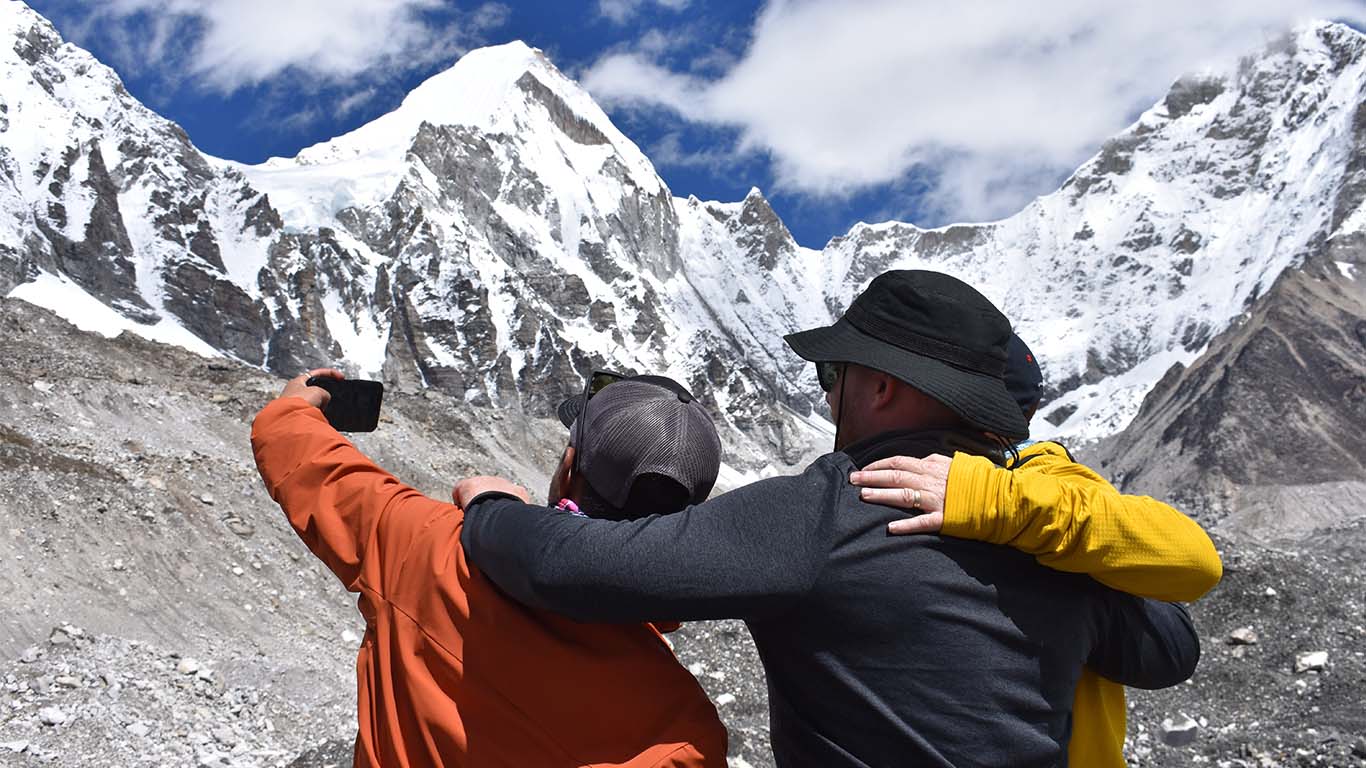
Planning the Everest Base Camp Trek is an exciting step toward one of the world’s most iconic Himalayan adventures. Reaching an altitude of 5,364 meters, this journey takes you deep into the Khumbu region, through traditional Sherpa villages, alpine forests, glacial valleys, and some of the most dramatic mountain scenery on Earth.
Table of Contents
Before setting out, it is essential to understand the altitude, fitness requirements, permits, seasonal conditions, safety considerations, and overall preparation needed to make your trek safe, enjoyable, and successful. This guide explains everything you need to know before trekking to Everest Base Camp.
Overview of the Everest Base Camp Trek
The Everest Base Camp Trek follows historic trade and pilgrimage routes that wind through the heart of Nepal’s Everest region. The trail passes through Sagarmatha National Park, a UNESCO World Heritage Site known for its rugged terrain, diverse ecosystems, and towering Himalayan peaks.
Most treks begin with a scenic flight to Lukla, followed by gradual ascents through Phakding, Namche Bazaar, Tengboche, Dingboche, Lobuche, and Gorak Shep before reaching Everest Base Camp. Along the way, trekkers experience a unique blend of natural beauty, cultural immersion, and personal challenge.
For a detailed route and daily breakdown, see the full
Everest Base Camp Trek itinerary:
https://www.soleencounterstrek.com/trip/everest-base-camp-trek
Maximum Altitude and Acclimatization
Altitude is one of the most important factors to consider before trekking to Everest Base Camp. The trek reaches 5,364 meters at Base Camp, while the viewpoint at Kala Patthar rises to 5,545 meters.
Proper acclimatization is essential. Well-planned itineraries include rest days in Namche Bazaar and Dingboche, allowing your body to adapt gradually. Walking slowly, staying hydrated, eating well, and avoiding rapid altitude gain significantly reduce the risk of altitude-related illness.
Learning about altitude awareness in advance helps ensure a safer trekking experience.
Best Time to Trek Everest Base Camp
The best seasons for the Everest Base Camp Trek are spring (Febuary to May) and autumn (September to December).
Spring offers mild temperatures and blooming rhododendron forests, while autumn provides stable weather and the clearest mountain views after the monsoon. These seasons are ideal for both safety and scenery.
Winter trekking is colder and more demanding due to snow, while the monsoon season brings rain and limited visibility, making it less suitable for high-altitude trekking.
Fitness Level and Physical Preparation
You do not need technical climbing skills to complete the Everest Base Camp Trek, but a reasonable level of fitness is required. Trekkers typically walk 5 to 7 hours per day on uneven terrain, with gradual ascents and descents.
Regular walking, stair climbing, and light cardiovascular training before your trip will help prepare your body. Mental readiness, patience, and steady pacing are just as important as physical strength.
Permits Required for the Everest Base Camp Trek
To trek in the Everest region, the following permits are required:
-
Sagarmatha National Park Entry Permit
-
Khumbu Pasang Lhamu Rural Municipality Permit
These permits are checked at official checkpoints along the trail and are usually arranged by your trekking company before the trek begins.
Accommodation and Food During the Trek
Accommodation along the Everest Base Camp route is provided in locally run teahouses. Rooms are simple and comfortable, typically with twin beds and shared bathrooms. Staying in teahouses supports local families and the regional economy.
Meals are freshly prepared and include dal bhat, rice dishes, noodles, soups, pancakes, and tea. At higher altitudes, lighter and vegetarian meals are often recommended for better digestion and energy.
Safety and Trekking with Experienced Local Guides
High-altitude trekking requires careful planning, experience, and flexibility. Safety depends on proper acclimatization, daily health monitoring, and informed decision-making based on weather and trail conditions.
Trekking with experienced local guides provides added security, cultural insight, and logistical support. Guides are trained in altitude awareness and basic first aid, and they adjust pacing and plans when necessary to prioritize health and safety.
If you are looking for a more varied route, you may also consider the
Everest Base Camp via Gokyo Ri Trek, which combines Everest Base Camp with glacial lakes and high mountain passes.
Packing Essentials for Everest Base Camp
Packing wisely is essential for comfort and safety. Keep your main focus on layered clothing, warmth, and protection from wind and weather.
Key essentials include:
-
Warm layered clothing
-
Waterproof jacket and trousers
-
Comfortable trekking boots
-
Sleeping bag suitable for cold temperatures
-
Daypack and reusable water bottles
A detailed packing checklist is best reviewed separately before departure.
Cultural Awareness and Responsible Travel
The Everest region is deeply rooted in Sherpa culture and Tibetan Buddhism. Trekkers are encouraged to respect local customs, monasteries, prayer flags, mani walls, and village traditions.
Responsible travel includes minimizing waste, using refillable water bottles, supporting local teahouses, and respecting wildlife and sacred sites. These practices help preserve the region for future generations.
Why Choose a Guided Everest Base Camp Trek
A guided Everest Base Camp Trek offers peace of mind, safety, and a richer overall experience. Local guides provide knowledge about the mountains, culture, and history while handling logistics, permits, and daily planning.
Choosing a Nepal-based trekking company also ensures your travel directly benefits local communities and supports sustainable tourism in the Himalayas.
Final Thoughts
The Everest Base Camp Trek is a journey of adventure, culture, and personal achievement. With the right preparation, proper acclimatization, and experienced local support, it becomes a safe and deeply rewarding experience.
Understanding what to expect before you go allows you to trek with confidence and fully appreciate the beauty and significance of the Everest region.
Contact Sole Encounters Adventures
🌐 Website: https://www.soleencounterstrek.com
📧 Email: info@soleencounterstrek.com
📱 WhatsApp: +977 9808979061
Recent Posts
.jpg)
3rd Jul, 2025
.jpg)
4th Jul, 2025
.jpg)
4th Jul, 2025
.jpg)
7th Jul, 2025
.jpg)
8th Jul, 2025
.jpg)
8th Jul, 2025
.jpg)
8th Jul, 2025

10th Jul, 2025